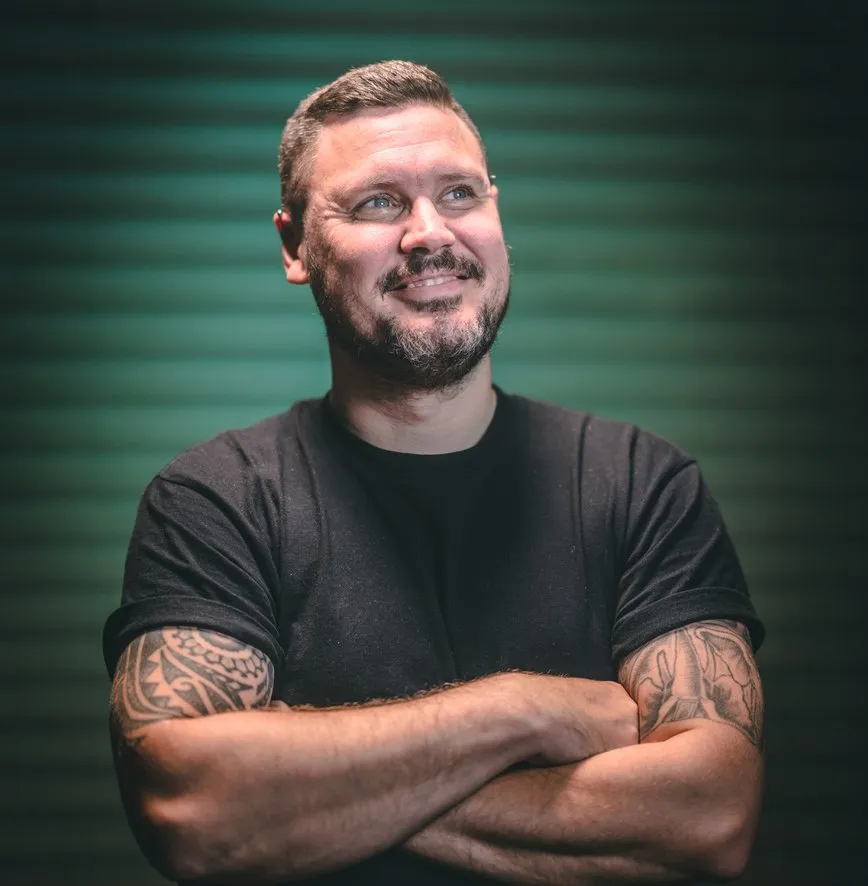
Today we’ll delve into the intricacies of filming talking heads, as demonstrated in my recent YouTube video “Behind the scenes of filming interviews, How I film talking heads”. We’ll explore the equipment I use, the challenges I face, and some tips on how to overcome them.
The Setting
The video was shot in a noisy, echo-filled conference room, presenting a challenging audio environment. Despite these conditions, the goal was to produce quality talking heads for Liquid Light’s pitch video.
Equipment Used
Cameras and Lenses
- A Camera: Panasonic with a Leica 25mm f/1.4 lens, shooting around f/11. This setup provides a slightly wider shot, adding visual interest in the background.
- B Camera: Canon 700D with a Canon 50mm f/1.4 lens. Although older, this camera still performs well.
Lighting Setup
- Key Light: Two Aputure Daylights with a cheap light umbrella, acting as the key light.
- Fill Light: Aperture M9, a small and portable video light, with a paper diffuser to provide a subtle fill on the darker side of the face.
Audio Equipment
- Microphone: Rode Videomic Pro with a low-pass filter to reduce room reverb.
- Audio Recorder: Zoom H1, attached to the tripod, recording audio separately for syncing with both A and B cameras in post-production.
Post-Production
Editing involves syncing the audio from the Zoom H1 with footage from both cameras. I’ve previously discussed this process in another video, which you can check out here.
Challenges and Solutions
- Audio Quality: The primary challenge was the room’s acoustics. Using a low-pass filter on the Rode Videomic Pro helped mitigate the reverb.
- Lighting: Despite having simple lighting gear, strategic placement ensured adequate illumination and depth in the shots.
Conclusion
Despite the challenging environment, the results were satisfactory. This experience underscores the importance of adaptability and creative problem-solving in filmmaking.